コインがスリーブに張り付いてホロが剥がれた話|原因と対策を徹底検証【Coins Stuck to Sleeves Causing Holofoil Peeling: A Thorough Analysis of Causes and Solutions】

コインコレクションをしていると、「とりあえずスリーブに入れておけば安心」と考えている方は多いのではないでしょうか。
私自身もこれまで、スリーブに入れてアルバムで保管していれば十分に安全だと思っていました。
しかし先日、コレクションの整理中にその前提が大きく覆される出来事が起きました。
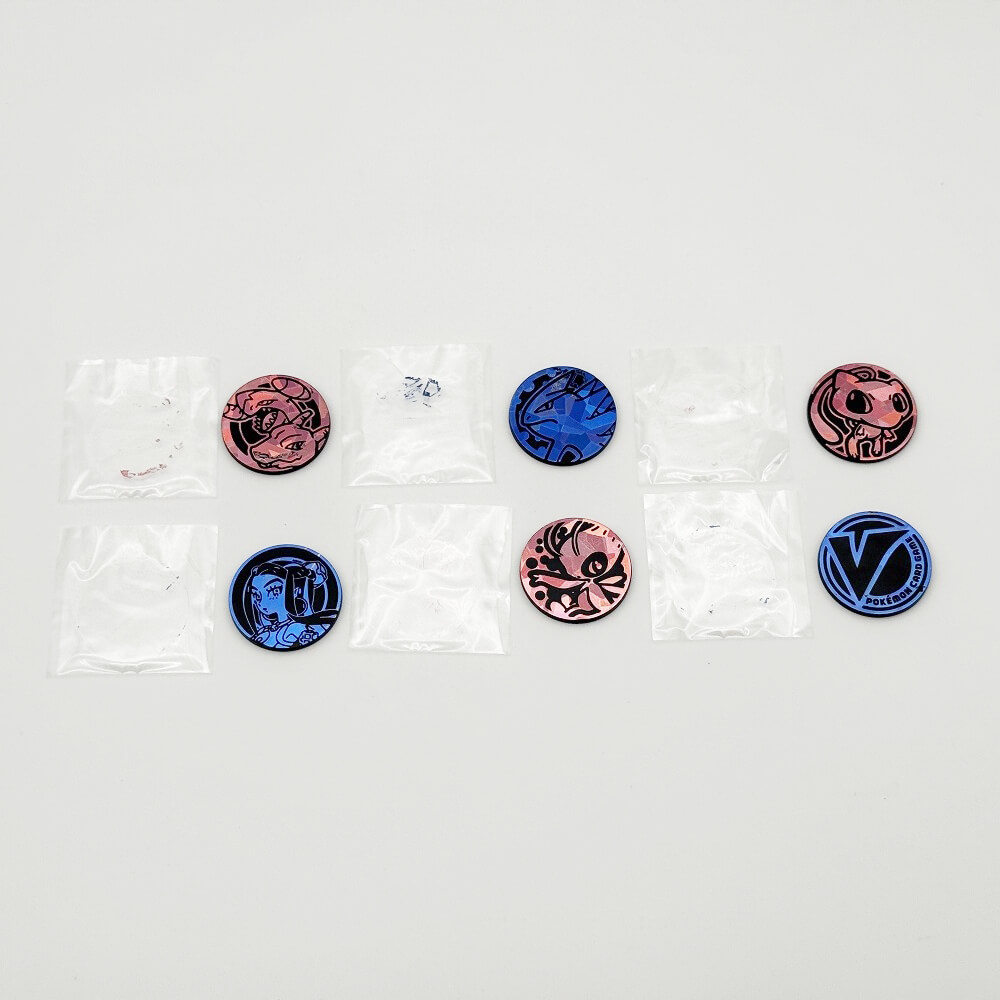
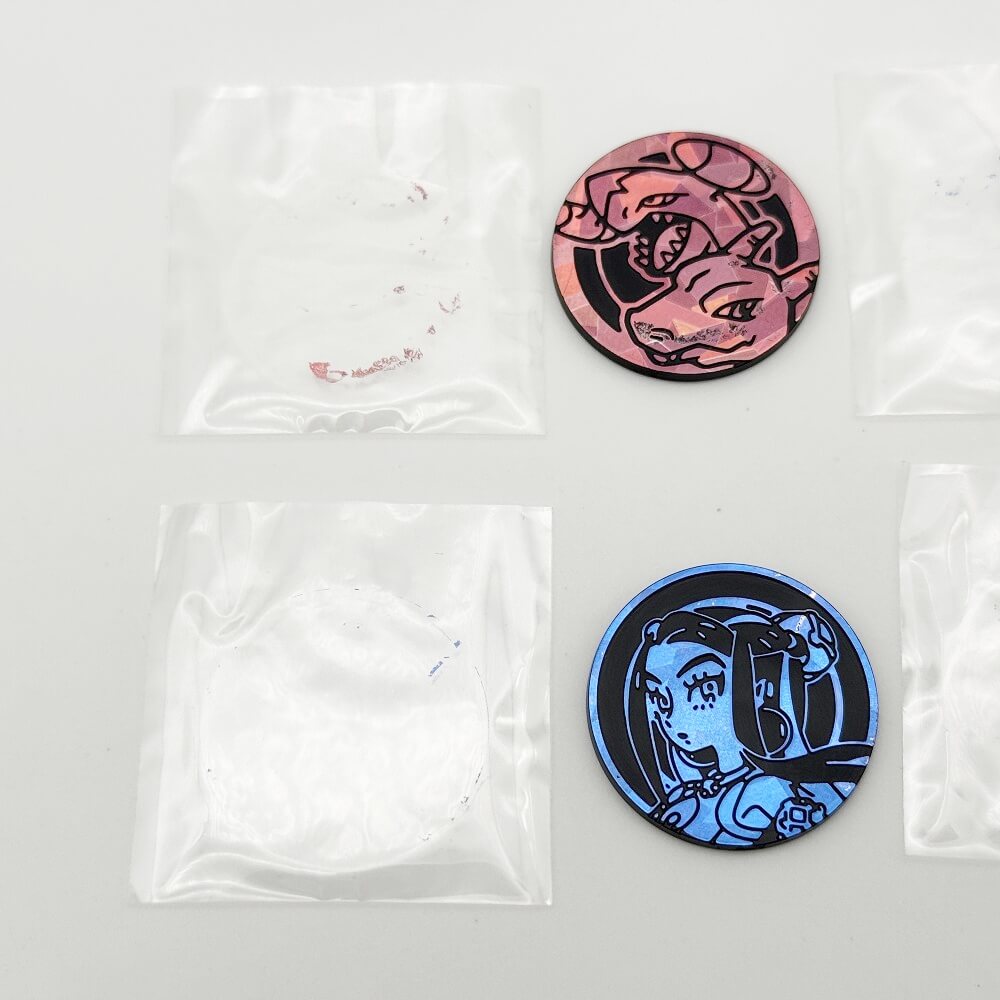
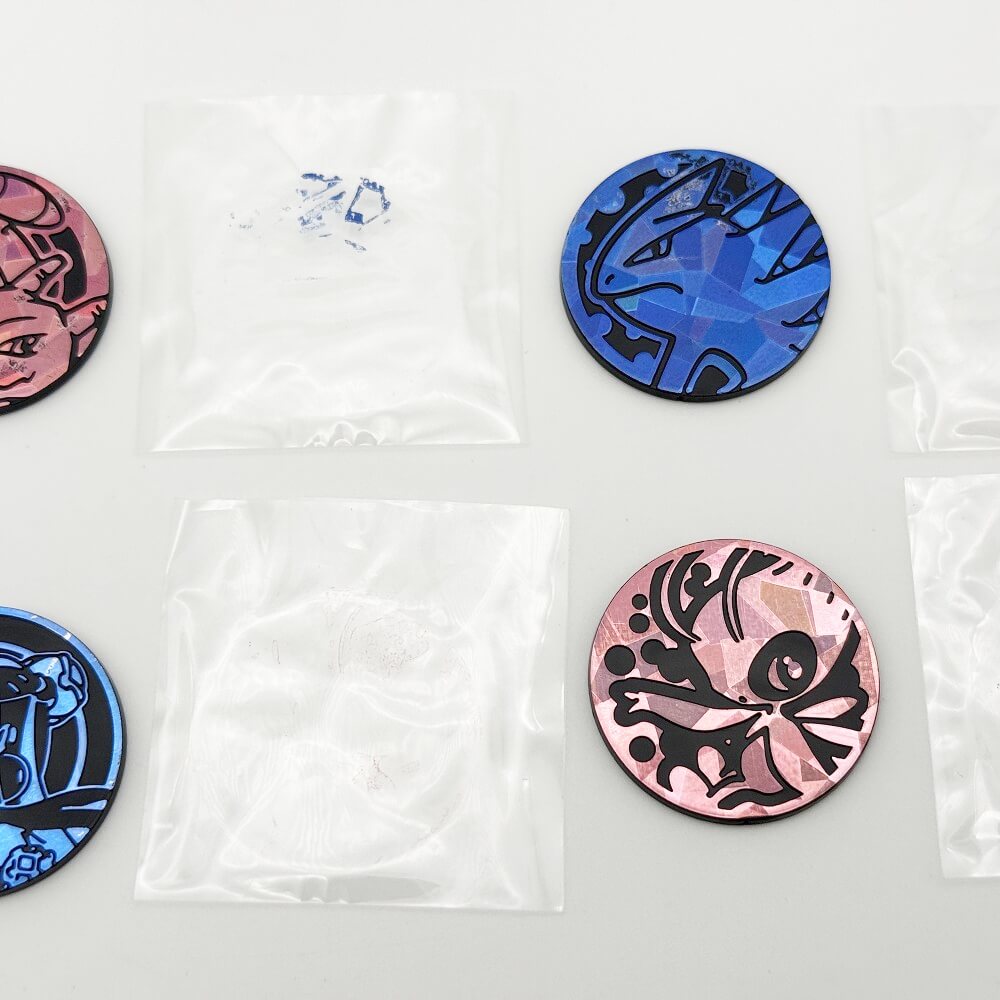
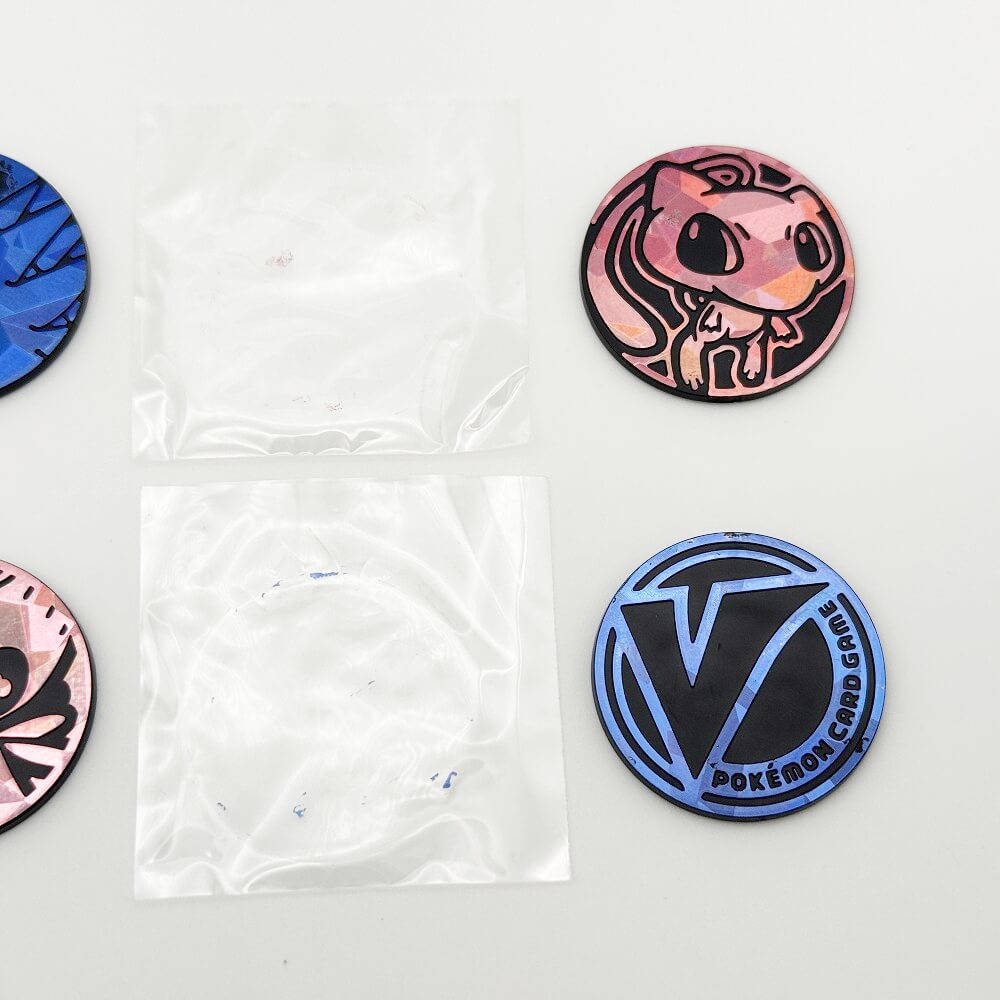
スリーブに入れていたはずのコインが動かなくなっており、取り出してみるとホロがスリーブに張り付いて剥がれてしまっていたのです。
しかもこれは一枚だけの偶然ではなく、複数枚で同様の現象が確認されました。
この記事では、この実体験をもとになぜこのような現象が起きたのか、そしてどうすれば防げるのかを整理し、現時点で考えられる最適な保管方法についてまとめていきます。
Many coin collectors believe that simply placing coins in sleeves is enough to keep them safe.
I was no exception—I had always assumed that storing my coins in sleeves within an album was a reliable method of preservation.
However, while reorganizing my collection recently, I encountered an issue that completely challenged this assumption.
Some of my coins had become stuck inside their sleeves, and when I carefully removed them, I found that the holofoil layer had adhered to the plastic and peeled off.
This was not an isolated incident—multiple coins were affected in the same way.
In this article, I will share my firsthand experience, analyze why this phenomenon occurs, and discuss what I currently believe to be the most effective storage method to prevent it.
コインのホロ剥がれ問題とその原因/Holofoil Peeling Issue and Its Cause
ある日、まとまった時間ができたため、コインコレクションの整理を行っていました。
その際、スリーブに入れて保管していたコインの中に、なぜか動かないものがいくつかあることに気づきました。
違和感を覚えつつも、恐る恐るスリーブから取り出してみると、コインのホロがスリーブの内側に張り付いており、そのまま剥がれてしまいました。
嫌な予感がして全体を確認したところ、最終的に6枚のコインで同様の事象が発生していることが分かりました。
When I finally had some free time, I decided to reorganize my coin collection.
During this process, I noticed that several coins inside their sleeves would not move at all.
With some concern, I carefully removed them from the sleeves, only to find that the holofoil layer had stuck to the inner surface and peeled off.
After checking the rest of my collection, I discovered that this had happened to six coins in total.


6枚もの貴重なコインが残念ながら犠牲に…。
Unfortunately, as many as six valuable coins were lost to this issue…
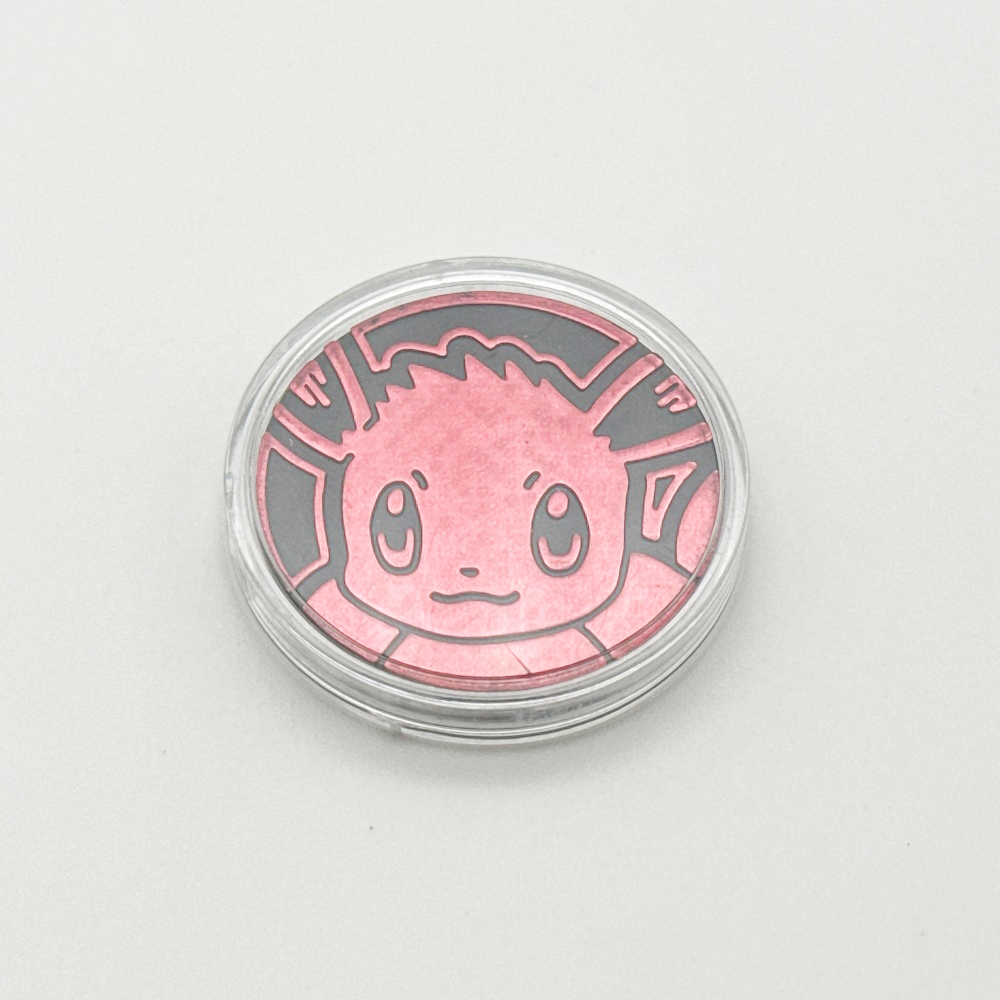
一度冷静になって観察してみると、これらのコインには明確な共通点がありました。
いずれもクラックドアイスホロであり、色はピンクまたはブルー系のものでした。
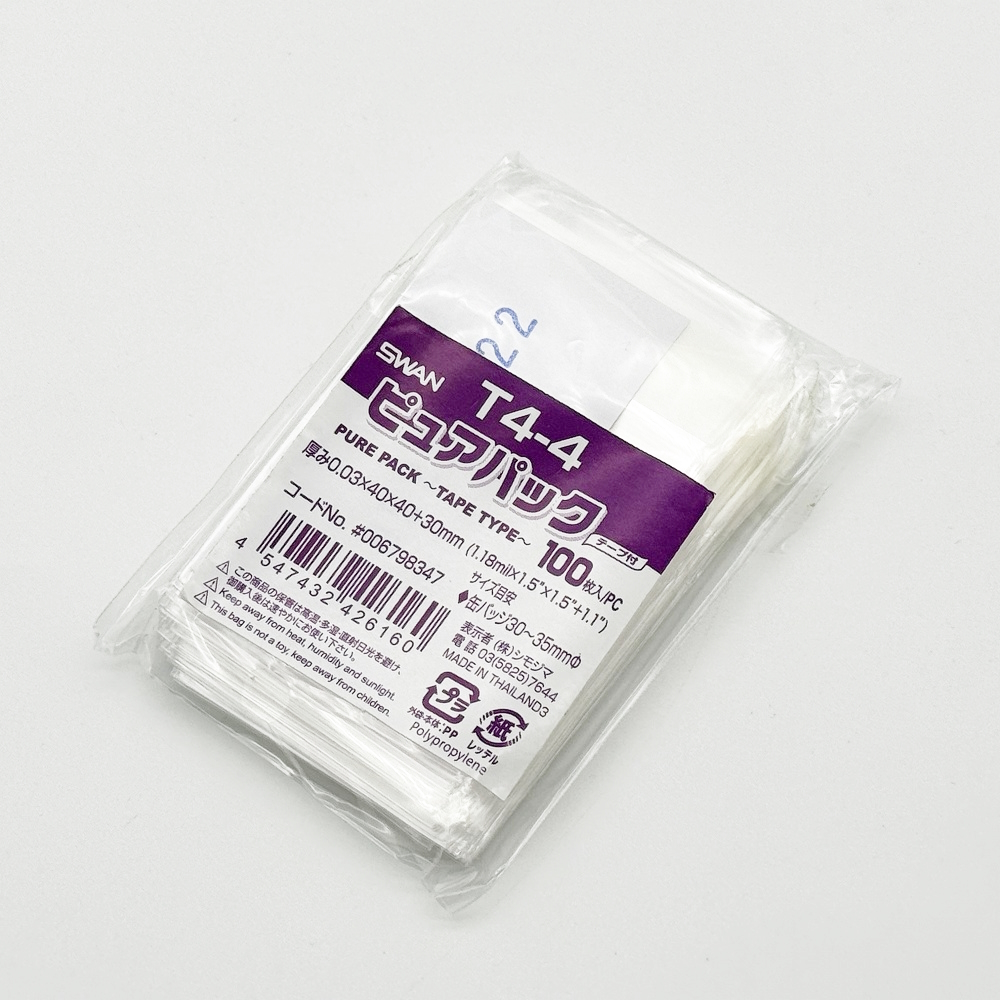
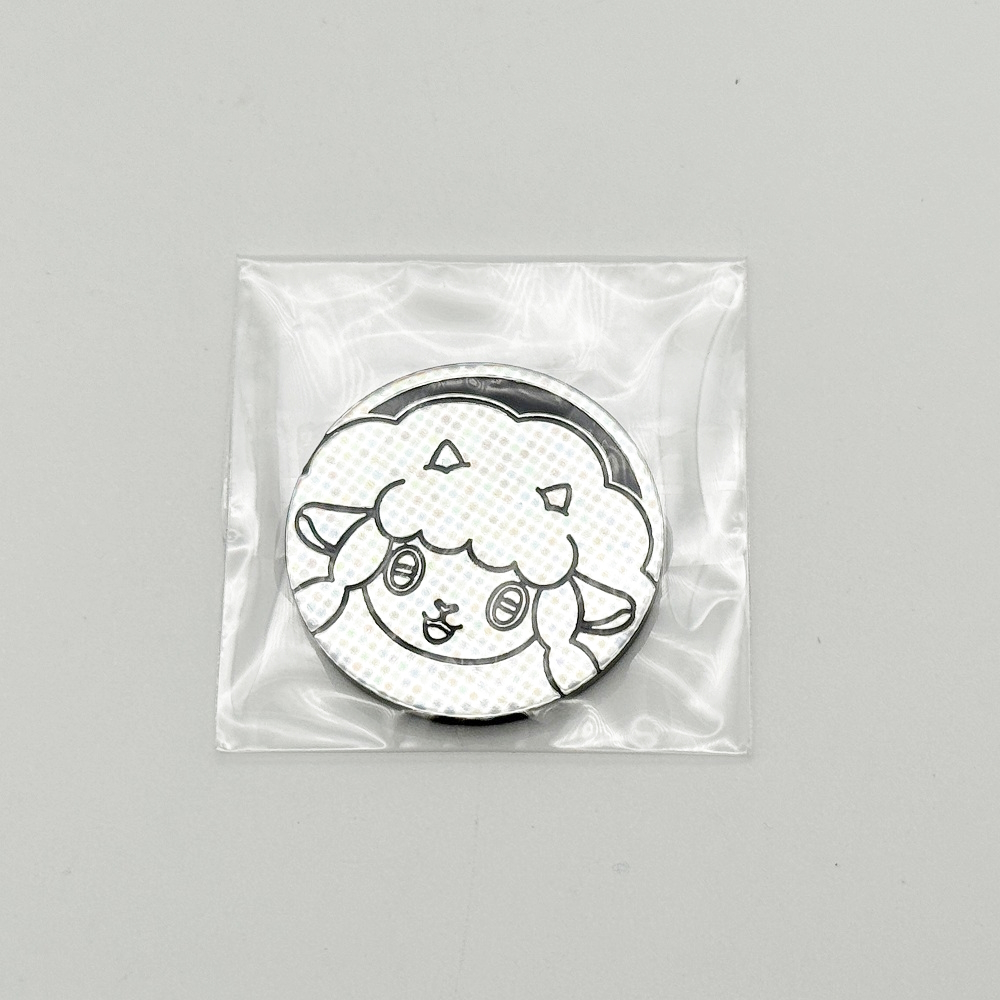
さらに、以前から使用している「SWAN T4-4 ピュアパック」に入れていたコインでは、このような現象は一切確認されませんでした。
Upon closer inspection, these coins shared clear characteristics: they all featured cracked ice holo patterns and were either pink or blue in color.
Interestingly, coins stored in “SWAN T4-4 Pure Pack” sleeves did not show any signs of this issue.


この出来事をコレクター仲間に共有したところ、クラックドアイスホロのシルバーコインでも同様のホロ剥がれが発生したという報告がありました。
これらの情報を総合すると、この現象は偶然ではなく、特定の加工や色に依存して発生する可能性が高いと考えています。
したがって、現時点では特にクラックドアイスホロ、なかでもピンクやブルー系のコインについては、優先的に保護すべき対象であるといえます。
After sharing this with fellow collectors, I received reports of similar peeling occurring on silver cracked ice coins.
This suggests that the phenomenon is not random, but likely related to specific finishes or colors.
Based on these findings, cracked ice holo coins—especially pink and blue ones—should be prioritized for protection.
なぜホロ剥がれが起きるのか(AI視点での考察)/Why Does Holofoil Peeling Occur? (AI-Based Perspective)
今回の事象について、明確な原因が特定されているわけではありませんが、いくつかの要因が組み合わさって発生している可能性が高いと考えられます。
まず前提として、コインに施されているホロは非常に薄い層で構成されており、表面に強く定着しているわけではありません。
そのため、長期間にわたって他の素材と密着した状態が続くと、わずかな力でも剥離や転写が起きるリスクがあります。
特に今回のように、スリーブなどのプラスチック素材と接触している場合、静電気や分子レベルでの相互作用によって、表面同士が軽く“吸着”する状態になる可能性があります。
この状態で時間が経過すると、ホロの一部がコイン側ではなくスリーブ側に移ってしまう、いわゆる転写現象が起きると考えられます。
さらに、湿度や温度の変化も影響している可能性があります。
湿度が高い環境では素材同士の密着度が高まりやすく、逆に乾燥状態では静電気が発生しやすくなるため、いずれも接触トラブルの要因となり得ます。
加えて、クラックドアイスホロのような加工は、表面の凹凸や構造の違いにより、他の加工に比べて剥離しやすい可能性も考えられます。
また、特定の色(ピンクやブルー)においてのみ発生している点から、使用されている顔料や加工プロセスの違いも関係しているかもしれません。
これらの要素を総合すると、
「長期間の密着」「素材の相性」「環境要因」
といった複数の条件が重なることで、今回のようなホロの剥がれが発生していると考えるのが自然です。
現時点では完全な解明には至っていませんが、少なくとも「密着を避ける」という対策が有効である理由は、この構造からも説明がつきます。
While the exact cause of this phenomenon has not been definitively identified, it is likely the result of multiple interacting factors.
First, the Holofoil layer applied to these coins is extremely thin and not permanently bonded at a deep structural level.
As a result, when the surface remains in prolonged contact with another material, even minor forces can lead to peeling or transfer.
In cases like this, where the coin is in contact with plastic materials such as sleeves, electrostatic forces or molecular-level interactions may cause the surfaces to lightly adhere to each other.
Over time, this can result in the Holofoil partially transferring from the coin to the sleeve.
Environmental conditions such as humidity and temperature may also play a role.
High humidity can increase surface adhesion, while dry conditions can promote static electricity—both of which can contribute to this issue.
Additionally, finishes like cracked ice holo may be more susceptible due to their textured surface structure.
The fact that this issue appears primarily in specific colors, such as pink and blue, may also suggest differences in pigments or manufacturing processes.
Taken together, it is reasonable to conclude that this phenomenon arises from a combination of prolonged contact, material compatibility, and environmental factors.
Although the mechanism is not yet fully understood, this perspective supports the idea that minimizing direct contact is an effective preventative measure.
コインの保管方法とその限界/Storage Methods and Their Limitations
コインの保管方法にはいくつかの選択肢がありますが、それぞれにメリットとデメリットが存在します。
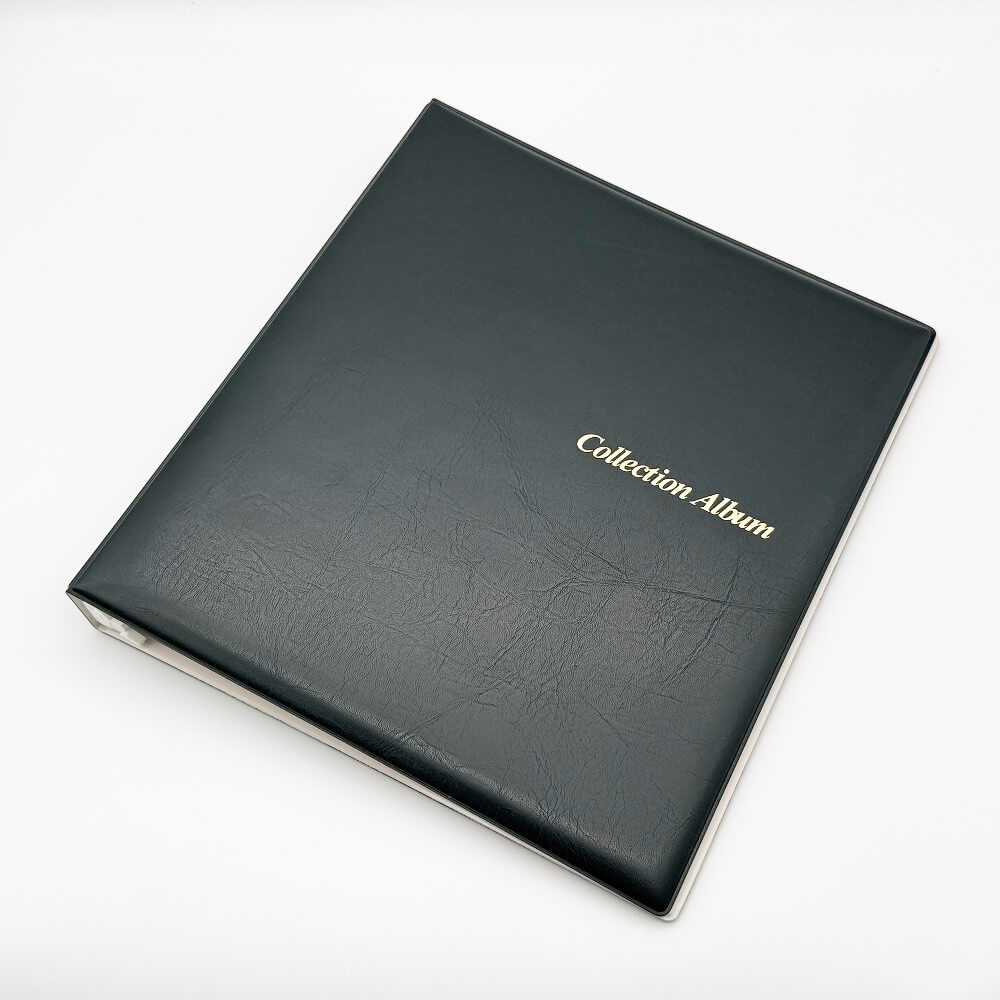
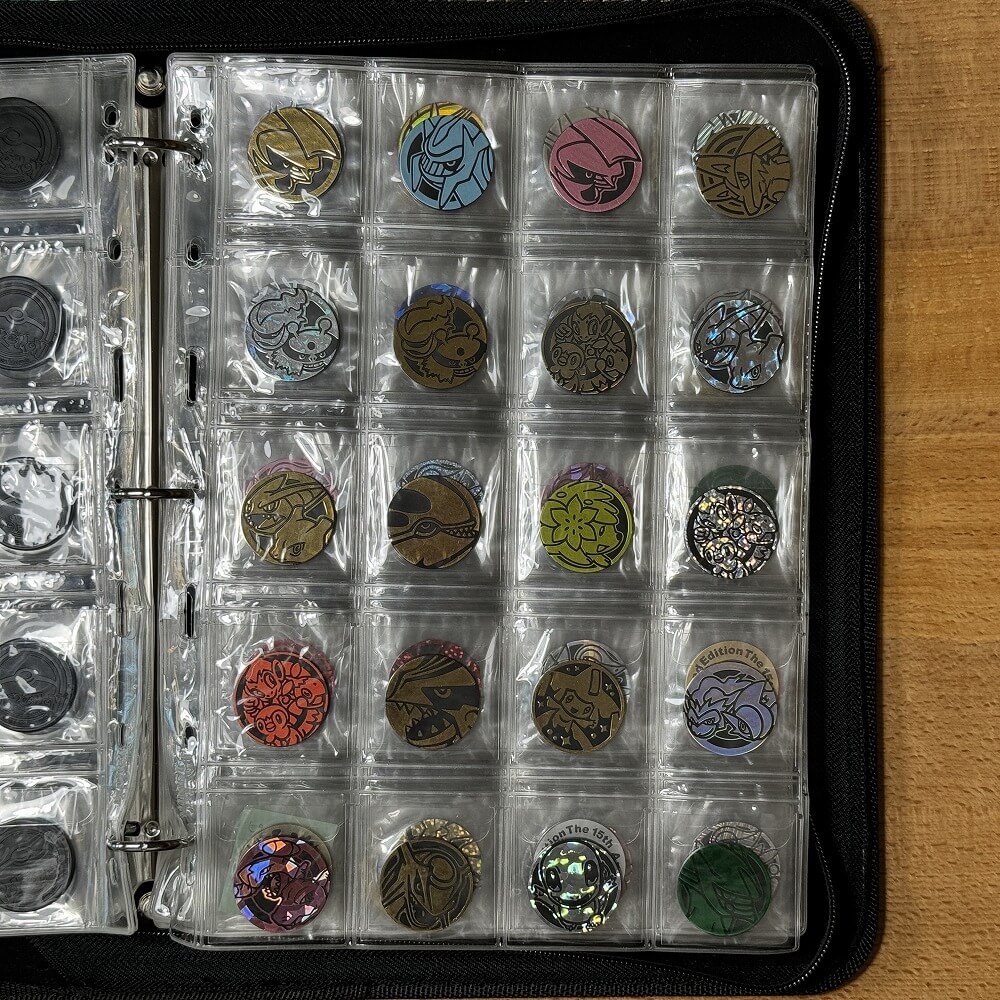
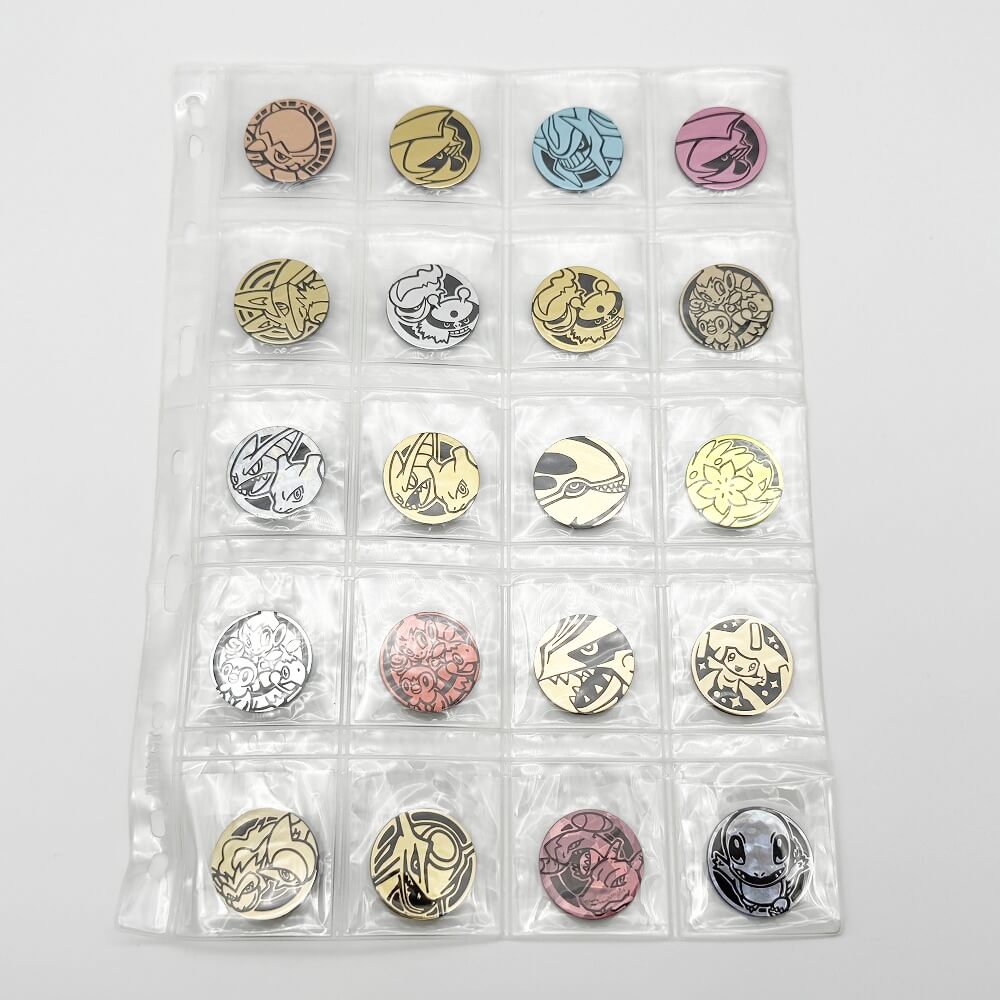
これまで私は、視認性と収納性のバランスを重視し、コインスリーブに入れたうえでアルバムに収納する方法を採用していました。
There are several ways to store coins, each with its own advantages and disadvantages.
I had been using coin sleeves stored in albums, as this method offers a good balance between visibility and space efficiency.


実際、この方法は省スペースでコレクションを一覧できるという点で非常に優れており、多くのコレクターにとって現実的な選択肢だと思います。
また、アルバムページに直接コインを入れるとホロが張り付いて剥がれるという話は以前から知られており、私自身もその事例を見たことがありました。
そのため、「スリーブに入れておけば安全」という認識を持っていました。
しかし今回の経験から、その前提は必ずしも正しくないことが分かりました。
スリーブという素材自体が問題というよりも、長期間にわたってコインの表面と密着する状態が続くこと自体がリスクになる可能性があります。
It allows for easy viewing while keeping the collection compact.
It has long been known that placing coins directly into album pages can cause holofoil layers to stick and peel, and I had personally seen such cases.
Because of this, I assumed that using sleeves would be sufficiently safe.
However, this experience showed that this assumption is not entirely correct.
The issue may not be the material itself, but rather the prolonged contact between the coin surface and the sleeve.
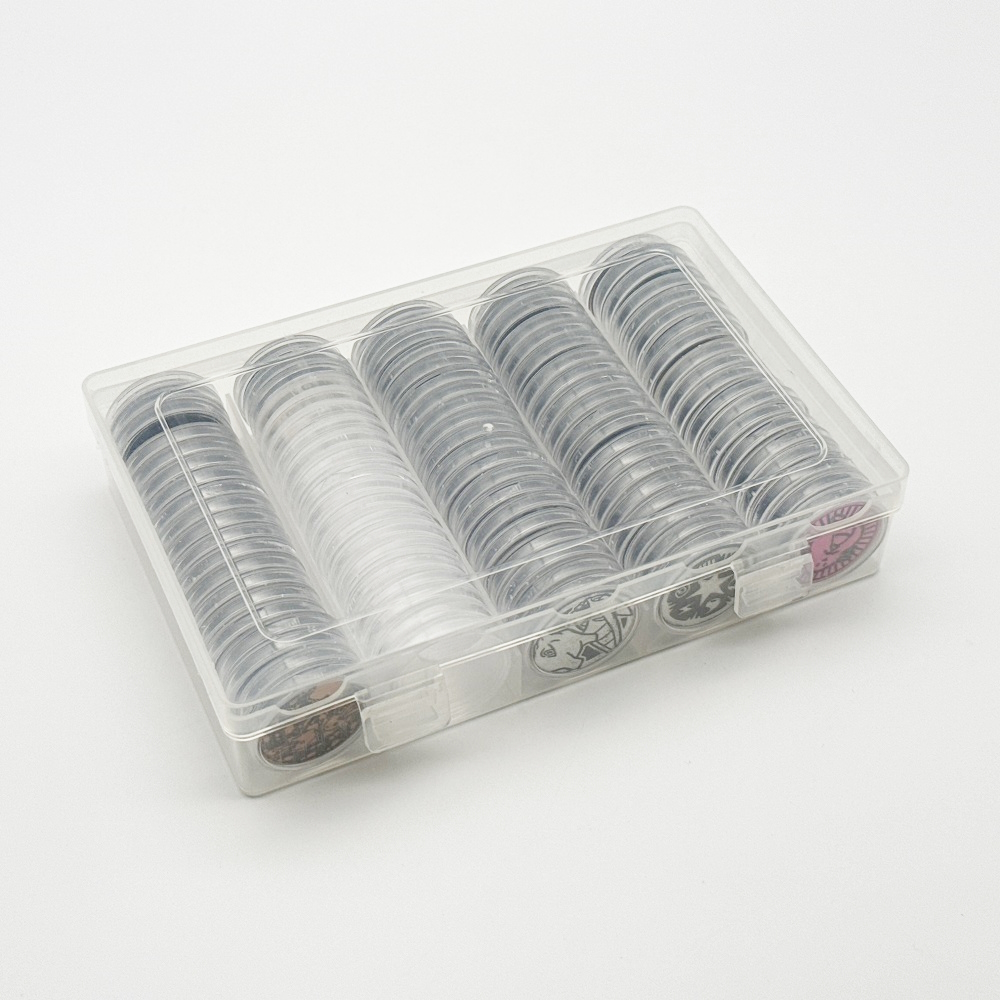
コインカプセルであれば接触は避けられますが、サイズが大きく収納性に難があります。
Coin capsules reduce direct contact but are bulky and less practical for large collections.


一方でコインフリップは固定性と視認性に優れていますが、密着度が非常に高く、同様のリスクを抱えています。
Coin flips provide good visibility and stability, but their high contact pressure introduces similar risks.


つまり、どの保管方法にも一長一短があり、完全に安全な方法は現時点では存在しないというのが実情です。
In other words, every storage method has trade-offs, and there is currently no perfect solution.
結論:和紙を挟むという選択/Conclusion: Using Washi Paper as a Barrier
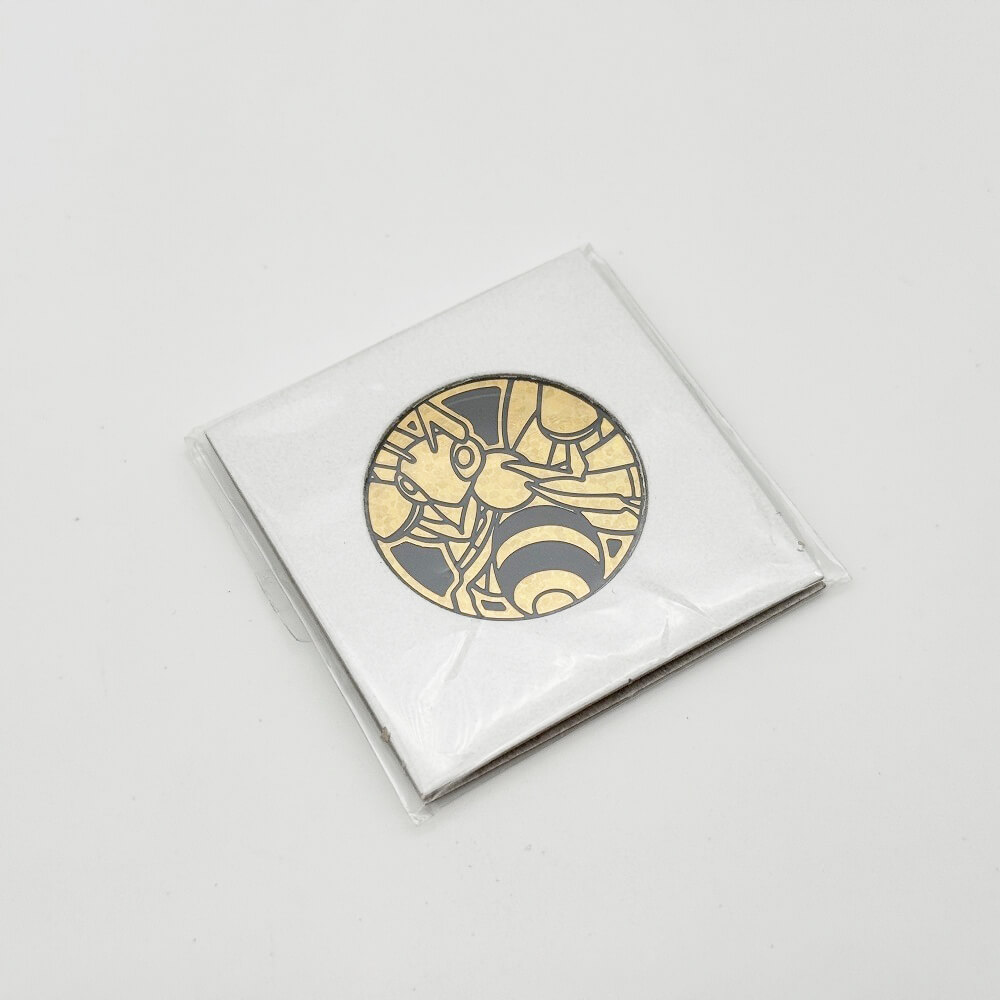
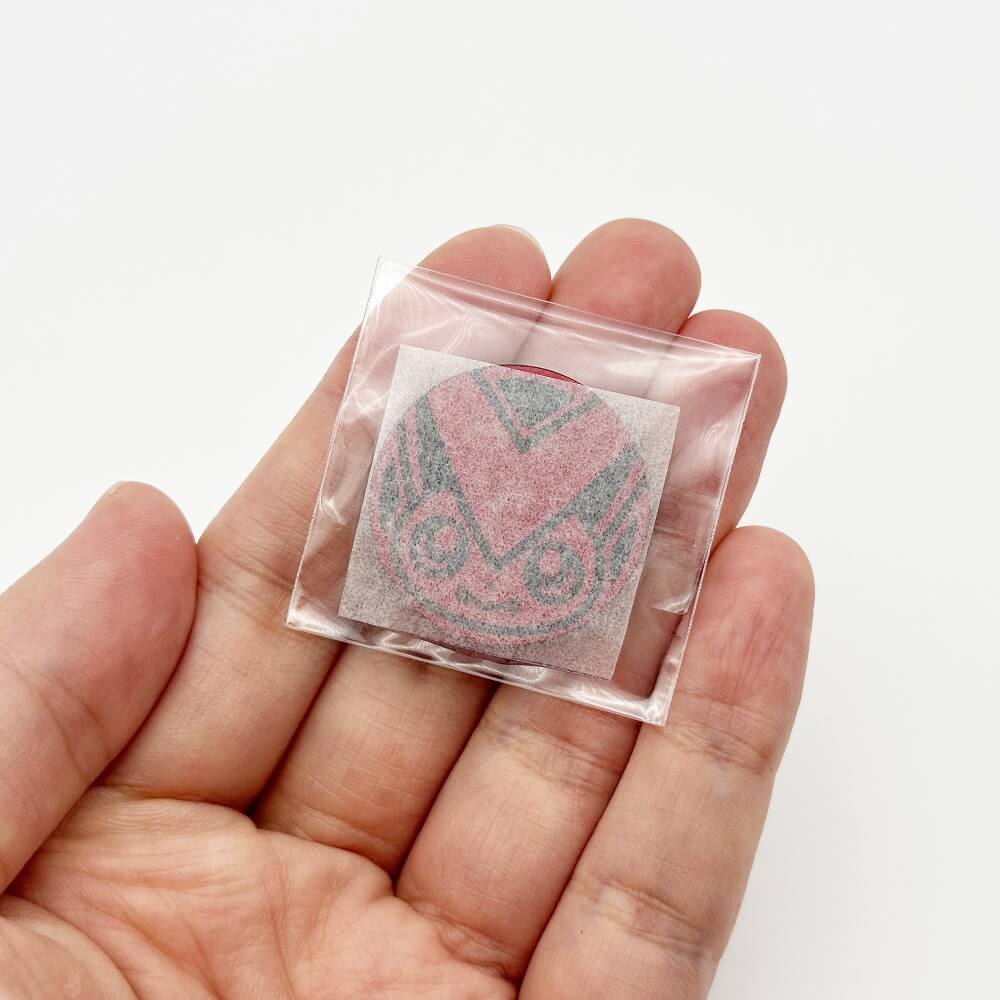
さまざまな選択肢を検討した結果、現時点で最も現実的かつ効果が期待できる方法として、コインスリーブの中に和紙を挟むという方法にたどり着きました。
この発想のベースになっているのは、昔の写真アルバムです。
写真同士が密着してダメージを受けるのを防ぐために、間に薄い和紙が挟まれていました。
これは長年実績のある方法です。
同様に、コインとスリーブの間に和紙を挟むことで、直接接触を防ぎつつ、わずかな空気層を確保することができます。
また、和紙には吸湿性があるため、湿度変化の緩衝材としての効果も期待できます。
After considering various options, I concluded that placing a thin sheet of washi paper inside the sleeve is currently the most practical and effective solution.
This idea is inspired by traditional photo albums, where thin paper was placed between photos to prevent sticking and damage.
This method has a long history of proven effectiveness.
By inserting washi paper between the coin and the sleeve, direct contact is reduced and a slight air gap is introduced.
Additionally, washi paper can help regulate humidity due to its absorbent properties.
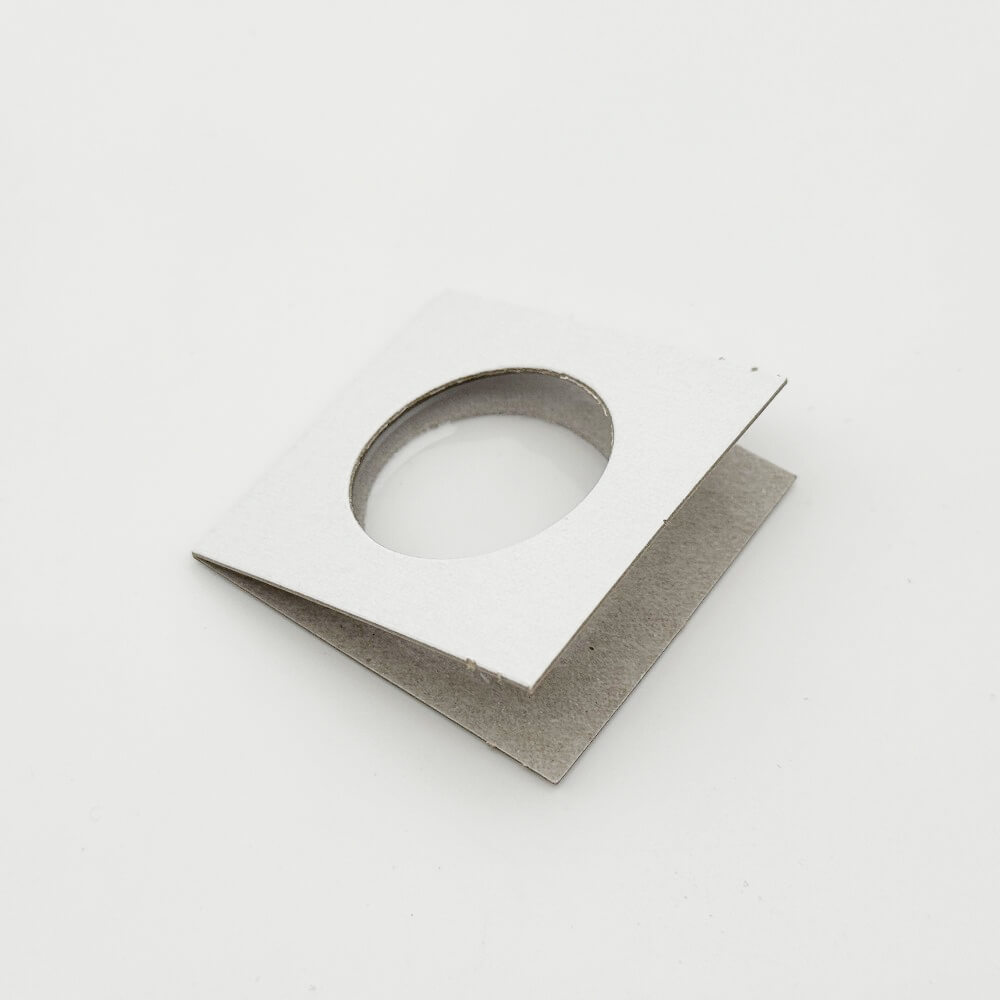
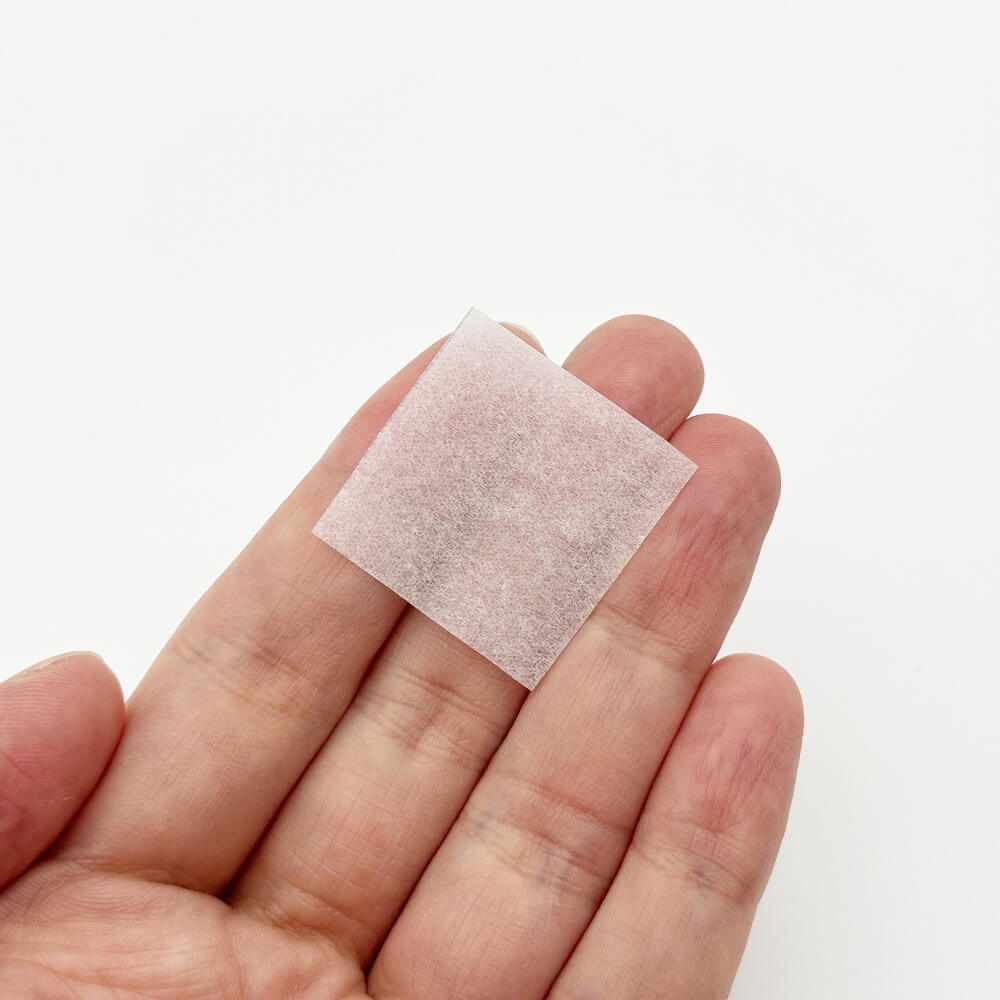
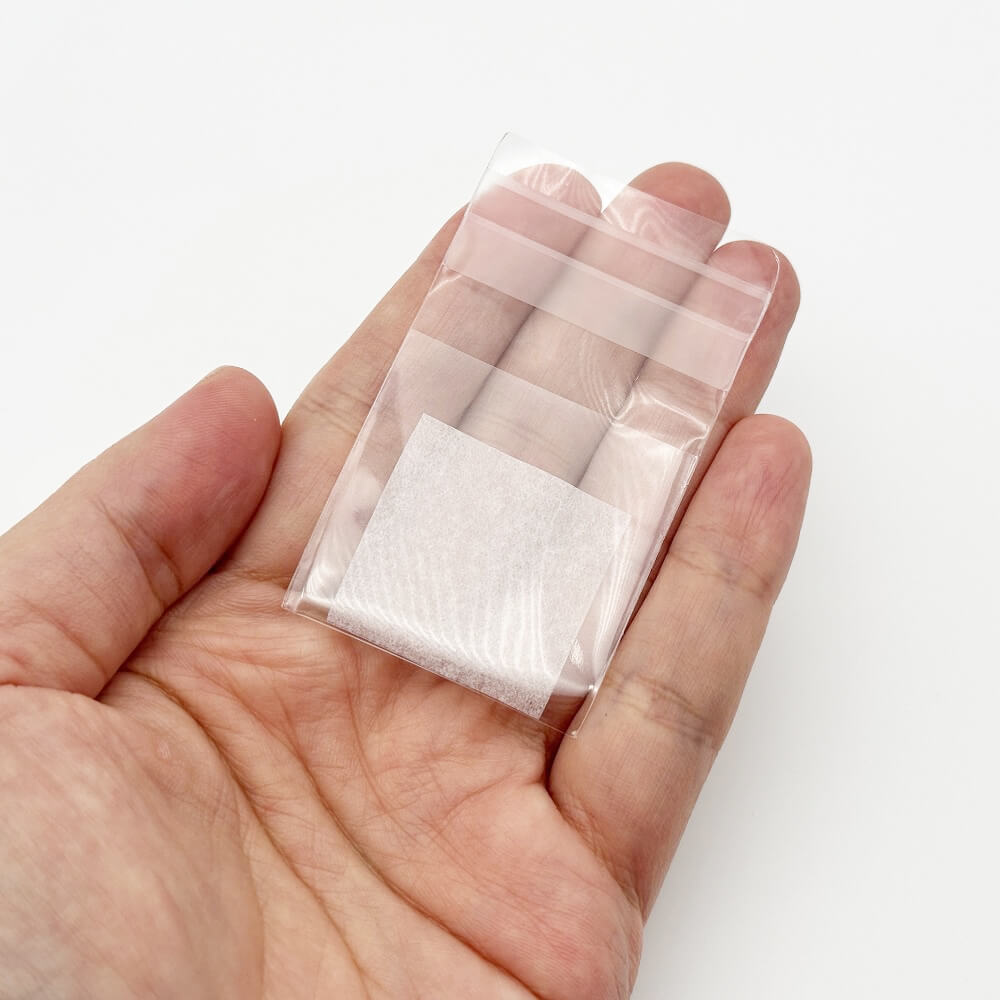
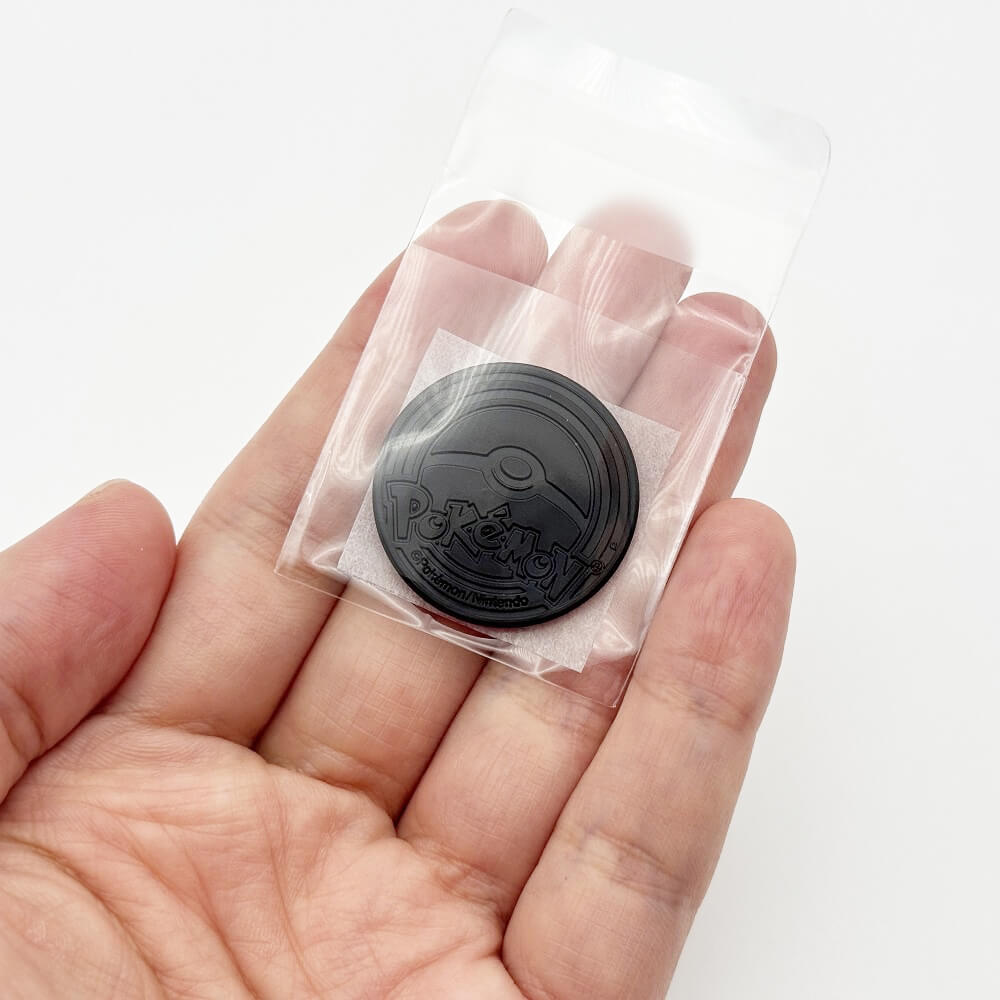
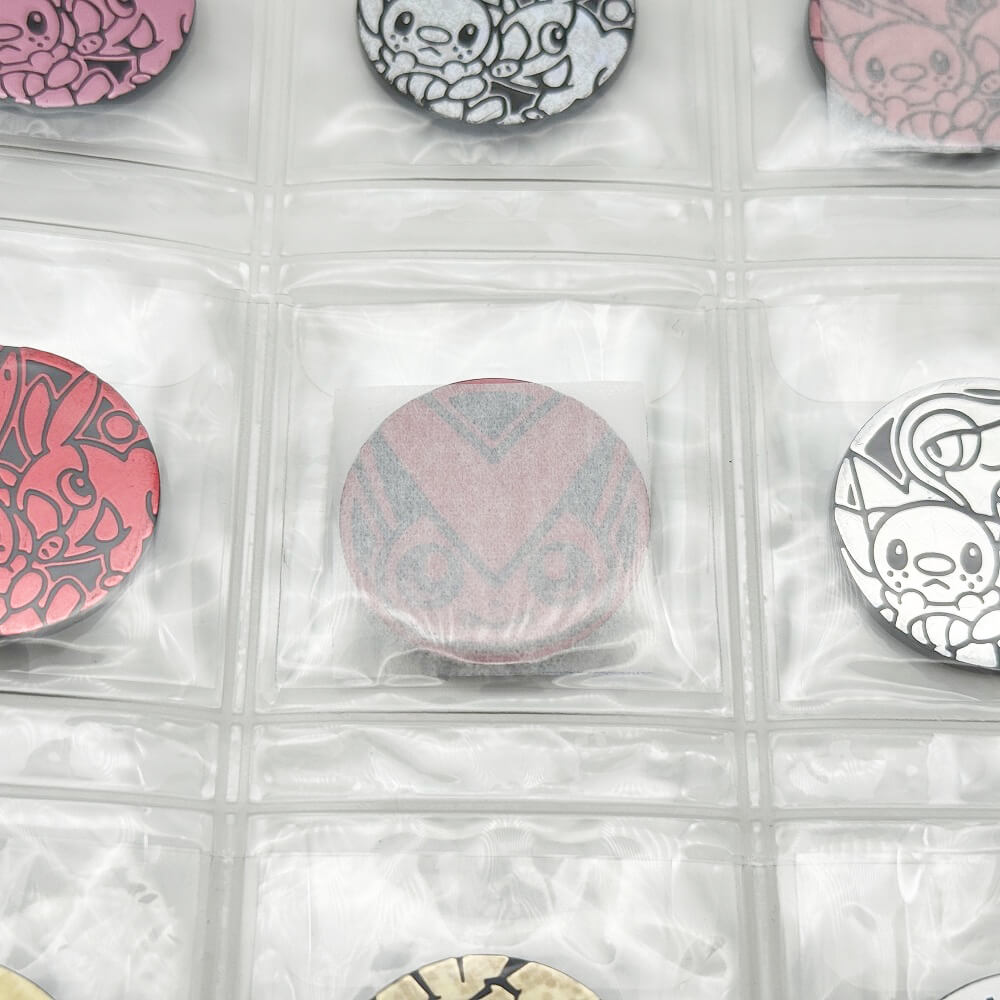
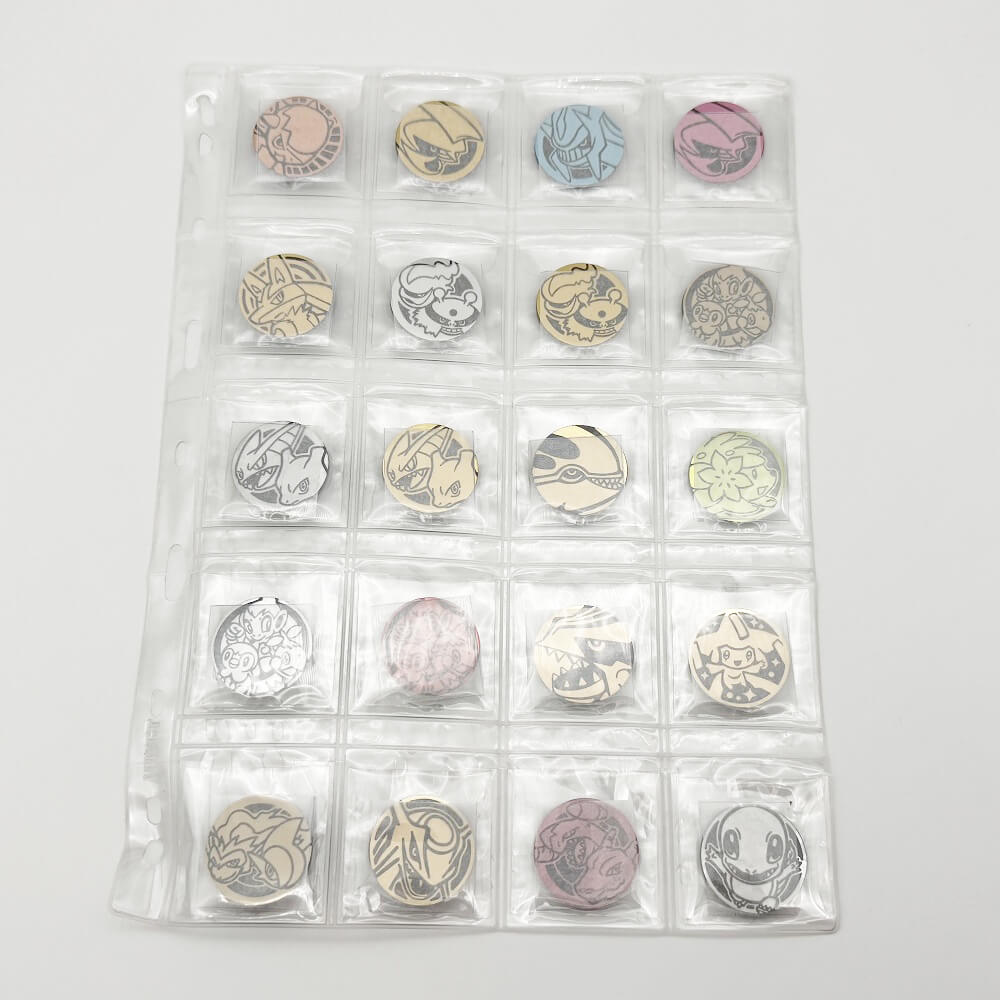
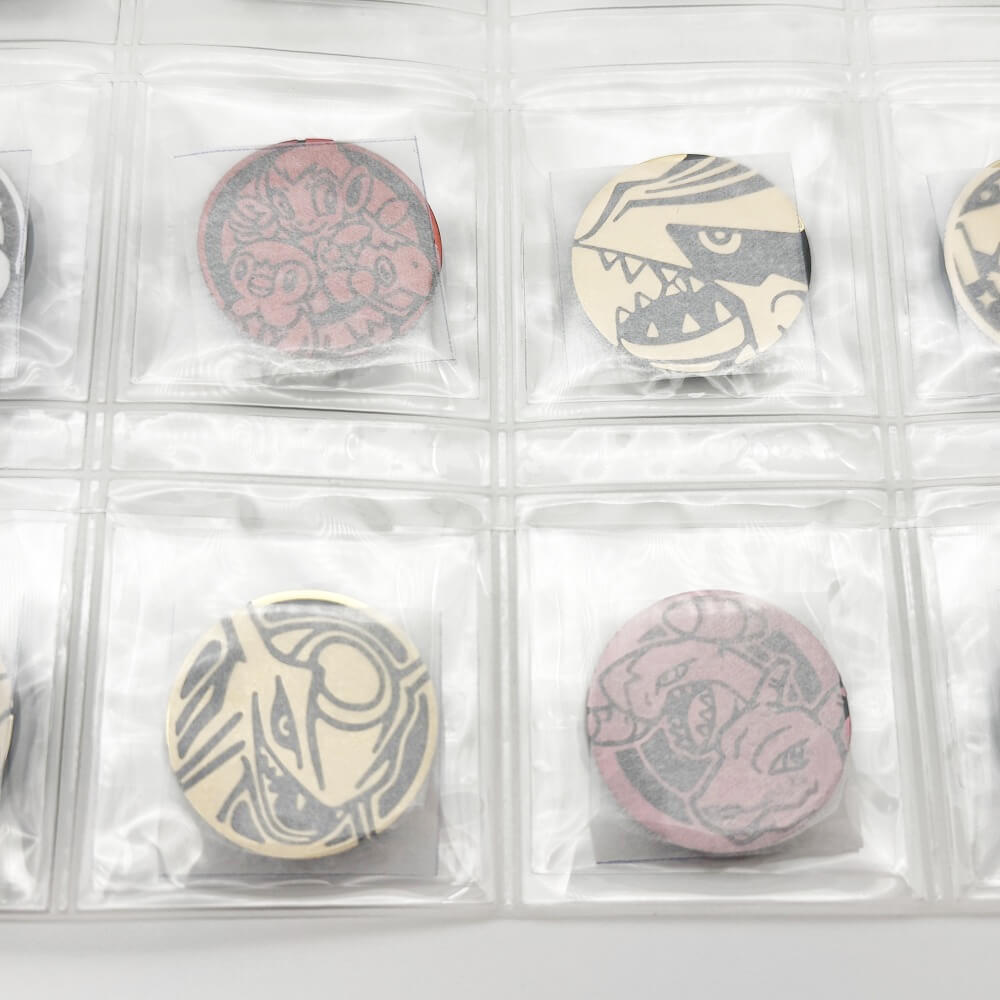
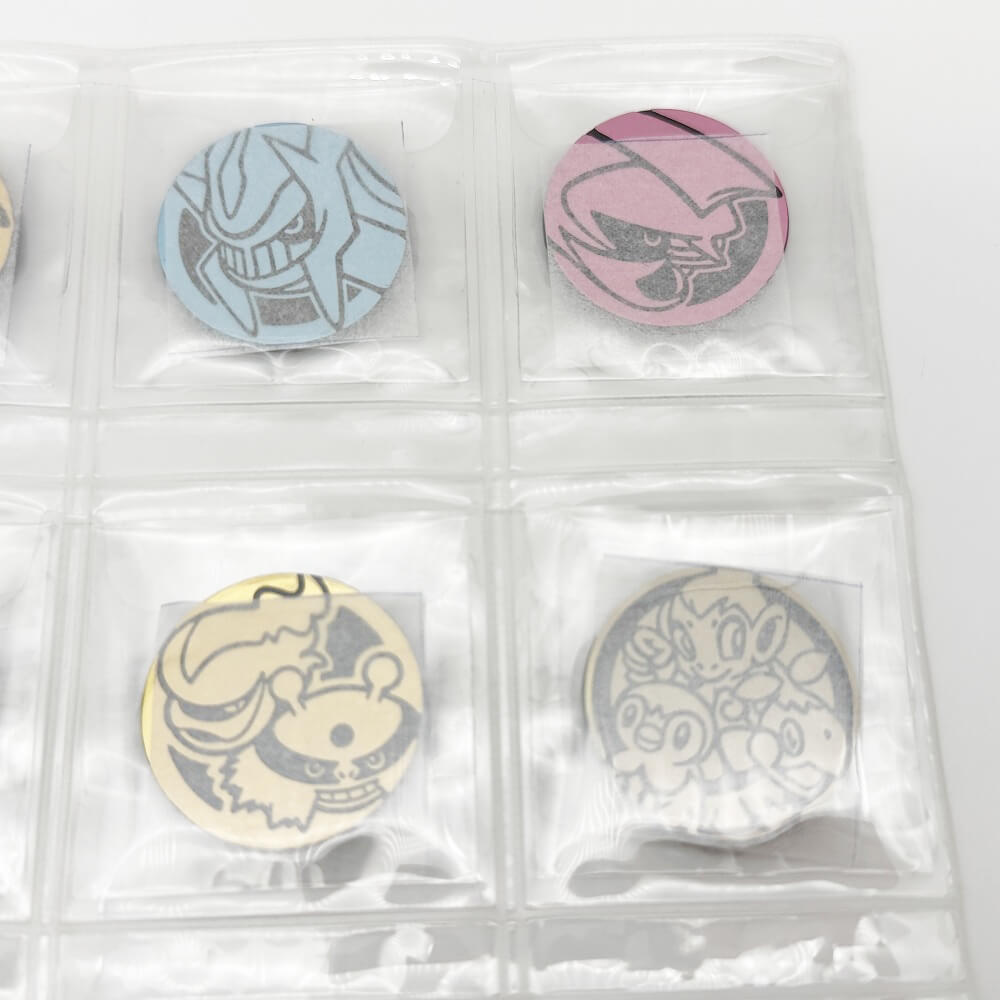
具体的には、薄葉紙を約3cm角にカットし、スリーブの内側に入れたうえで、コインの表面がその和紙に触れるように収納します。
その後、通常通りスリーブを閉じてアルバムに収納します。
In practice, I cut thin paper into approximately 3 cm squares, place it inside the sleeve, and ensure that the coin surface rests against it before sealing and storing it in an album.


もちろん、この方法にもデメリットはあります。
最大の問題は視認性の低下であり、ホロの輝きはほとんど確認できなくなります。
Of course, this method has drawbacks.
The most notable one is reduced visibility, as the holofoil effect becomes difficult to see.


それでも、ホロ剥がれは一度起きてしまうと元に戻すことができません。
完全に防ぐことは難しいとしても、リスクを下げることには大きな意味があると考えています。
今この瞬間に対策を行うことで、数ヶ月後、あるいは数年後にコインの状態が維持されていることを願っています。
However, since holofoil peeling is irreversible, reducing the risk is more important than preserving perfect visibility.
Even if it is not a perfect solution, taking action now may help preserve the condition of the coins in the long term.
使用した和紙の紹介/Washi Paper Used in This Setup
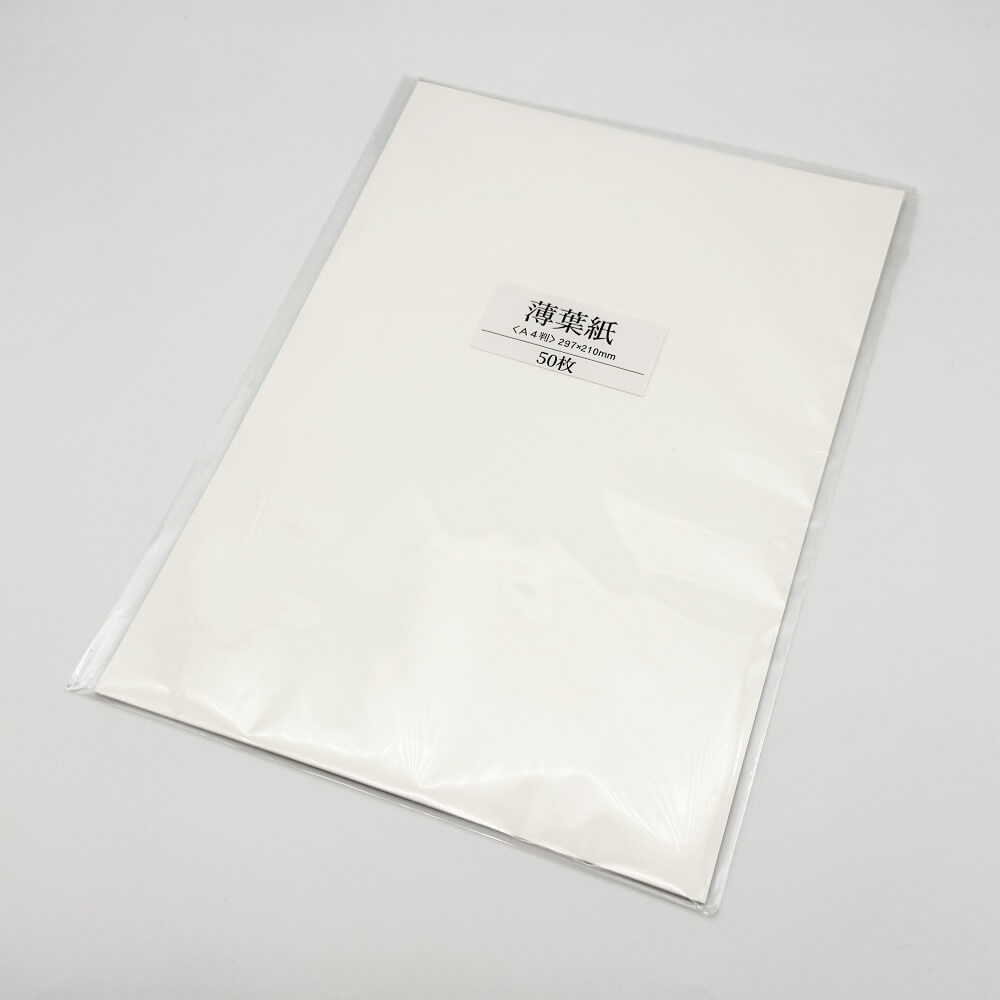
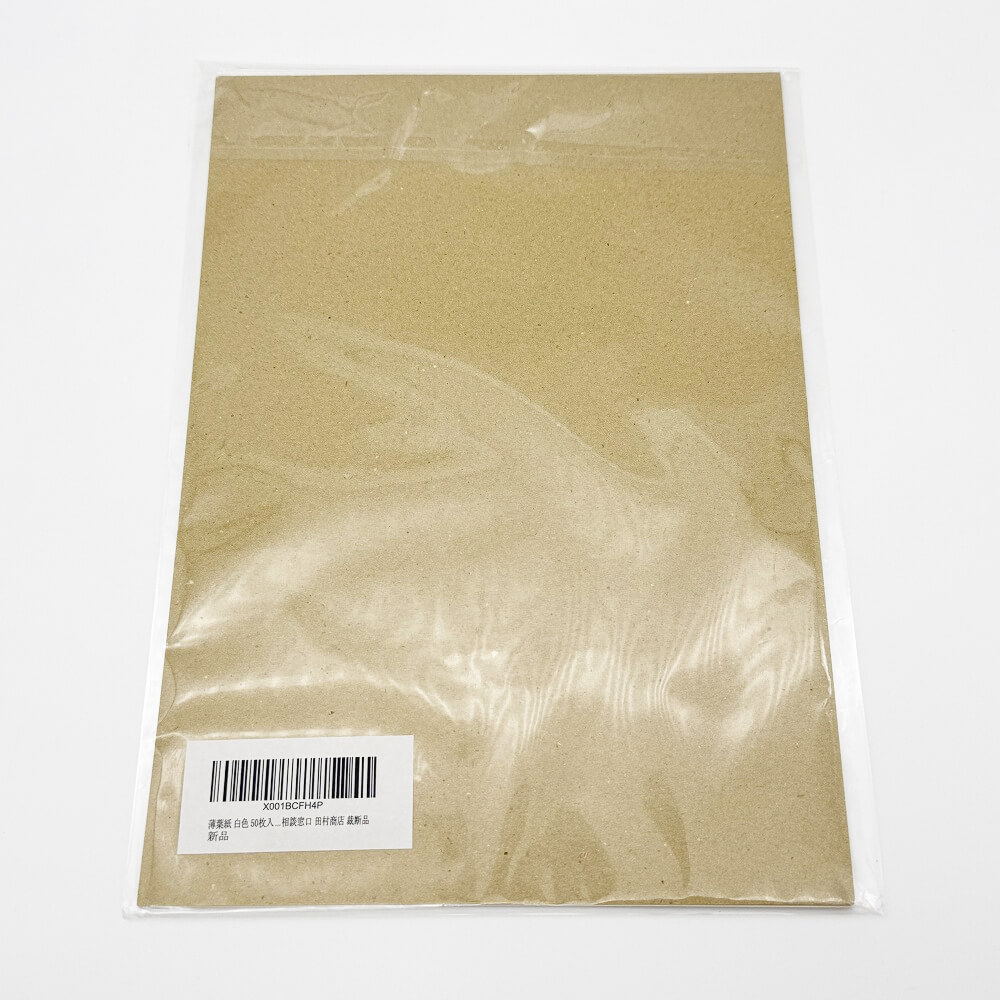
今回私は、Amazonにて「田村商店 薄葉紙」という和紙を購入しました。
For this setup, I purchased a type of washi paper called “Tamura Shoten Thin Paper” from Amazon.


サイズはA4(29.7×21cm)となっており、3cm角にカットすることで、1枚あたり約70枚分を切り出すことができます。
本商品は50枚入りのため、単純計算で約3,500枚分のコイン保管に対応でき、コストパフォーマンスにも優れていると感じています。
Each sheet is A4 size (29.7 × 21 cm), and by cutting it into 3 cm squares, you can obtain approximately 70 pieces per sheet.
Since the package contains 50 sheets, it can be used to store around 3,500 coins in total, making it a very cost-effective option.
もちろん、他にも適した製品はあるかと思いますが、実際に私自身が使用しているものとして、ひとつの参考としてご覧いただければ幸いです。
Of course, there may be other suitable products available, but I hope this serves as a helpful reference based on what I am personally using.
ホロ剥がれを防ぐために今できること/What You Can Do Now to Prevent Holofoil Peeling
今回の経験から、コインの保管において最も重要なのは「密着を避けること」であると強く感じました。
スリーブであっても安全とは限らず、特にクラックドアイスホロのコインについては注意が必要です。
和紙を挟む方法は完璧ではありませんが、現時点で取り得る現実的な対策の一つです。
同じようにコインを大切にされている方にとって、少しでも参考になれば幸いです。
This experience has shown that avoiding direct contact is the most important factor in coin storage.
Even sleeves are not entirely safe, especially for cracked ice holo coins.
While using washi paper is not a perfect solution, it is currently one of the most practical ways to reduce risk.
I hope these findings will be helpful to fellow collectors.